Key Takeaways
- Partnerships turn theory into practice with real-time simulation and hardware-in-the-loop so students graduate ready to contribute.
- Modern lab experiences improve when academics and industry co-design curricula, training, and scenarios that mirror current projects.
- Collaborative programs create a hiring pipeline through internships, mentorship, and aligned workflows that shorten ramp-up time.
- Industry input accelerates educational innovation, adds authentic project data, and keeps course content current with emerging methods.
- A phased approach lets departments upgrade labs with clear goals, measurable outcomes, and repeatable models for wider adoption.
Many aspiring engineers graduate with top marks only to find their education hasn’t prepared them for the challenges of a modern engineering workplace. This disconnect exists because academic curricula often lag behind industry advancements in real-time simulation and hardware-in-the-loop (HIL) technologies. Universities still rely on outdated equipment and isolated theoretical exercises, leaving graduates underprepared to apply their skills in complex, interdisciplinary projects. In one survey, only 5% of new engineering graduates felt very prepared in emerging technical areas, and just 9% in business acumen—clear evidence of gaps in practical training.
When academic programs partner with simulation technology leaders, students gain hands-on experience with the same cutting-edge tools and real-time simulation workflows used in industry. This approach turns theoretical coursework into experiential learning, so graduates step into their careers ready to contribute from day one. As a leader in real-time simulation, we have witnessed firsthand how university-industry partnerships empower students and faculty alike. The future of simulation education lies in this collaborative model, which produces engineers prepared to advance innovation as soon as they graduate.
Bridging the gap between classroom theory and simulation practice

Traditional engineering programs excel at teaching theory but often struggle to provide equally robust practical training. Students might ace their simulations on paper or simplified software, yet still be unprepared for the complexity of deploying those solutions on real systems. The result is a gap where new graduates must spend time retraining or catching up once hired. It often takes about two years for a new engineering hire to become fully productive in the workplace. This lag represents a costly delay for companies; one analysis estimated that lost productivity during this ramp-up period costs the U.S. chemical industry around $320 million per year.
The key to closing this gap is giving students more hands-on practice with industry-grade simulation tools during their studies. Real-time digital simulation and HIL technology let students safely experiment with high-fidelity models of complex systems, effectively bridging theory and practice. Instead of just solving equations in a textbook, a student can deploy a controller model on a real-time simulator and watch how their design would behave in an actual power grid or vehicle.
This experiential learning cements theoretical knowledge by demonstrating how it applies to real engineering challenges, dramatically shrinking the learning curve for new graduates. Industry collaborations already show this impact—by working on the same research and testing platforms, ABB and Aalto University were able to “narrow the gap between academic and industrial research” and accelerate adoption of new technologies. When students train on the same advanced simulators used by professionals, they enter the workforce much more prepared to hit the ground running.
“The key to closing this gap is giving students more hands-on practice with industry-grade simulation tools during their studies.”
Modern lab experiences require academic and industry teamwork
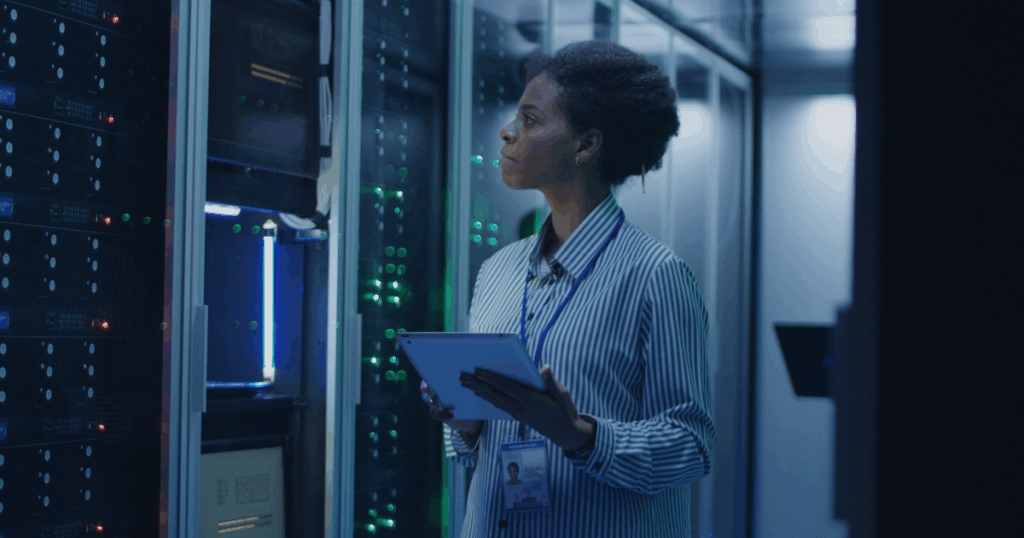
Keeping university labs up to date with the latest simulation technology is not a one-sided effort. It requires close teamwork between academia and industry. Many engineering faculties recognize they need support to give students modern, relevant lab experiences that mirror professional engineering settings. The simulation learning market in higher education is projected to expand by over $2.3 billion from 2025 to 2029, reflecting how schools are investing in advanced tools. Yet universities get the most value from these technologies when industry experts guide their implementation and use.
- Cutting-edge equipment integration: Industry partners provide advanced simulation hardware (such as real-time digital simulators and HIL platforms) for university labs, ensuring students train on up-to-date technology.
- Curriculum co-development: Academic and industry experts design lab exercises together, aligning projects with complex engineering challenges companies are tackling. This makes classroom theory immediately relevant and teaches students how to approach problems the way professionals do.
- Faculty training and support: Through partnerships, professors gain training on new simulation software and methods introduced by industry. This professional development helps faculty confidently teach emerging technologies and incorporate the latest tools into their courses.
- Authentic project scenarios: Companies contribute case studies, data sets, and design problems to university labs. Students work on realistic scenarios that reflect the complexity of projects in industry—from integrating renewable energy into a power grid to tuning an electric vehicle’s control system.
- Shared resources: Universities gain access to industry-grade software licenses, cloud computing resources, and technical support that would otherwise be cost-prohibitive. These shared resources allow students and researchers to experiment freely with high-end simulation tools.
- Continuous lab upgrades: Collaboration ensures that lab equipment and software are regularly updated to match current industry standards. This proactive refresh of technology prevents educational labs from falling behind and keeps student training aligned with contemporary practice.
When universities and companies collaborate in these ways, the campus lab stops being an isolated academic space and becomes a training ground for next-generation engineers. Students not only gain technical know-how with industry-standard tools, but also learn collaborative and problem-solving skills by working with experienced partners. By jointly enhancing lab experiences, schools produce graduates who can step into industry roles with confidence, requiring far less on-the-job training.
Building a talent pipeline through collaborative simulation programs

One of the biggest benefits of university–industry partnerships is the steady pipeline of talent they create. By collaborating on simulation-based programs, companies get early access to skilled students, and students get a foot in the door of their future careers. These joint initiatives prepare students to be industry-ready by the time they graduate.
Internships and co-op programs
When universities partner with engineering firms or technology providers, internship and co-op opportunities naturally follow. Students who have been learning on industry-standard simulation tools in class can hit the ground running during internships at the partner company. They contribute to ongoing projects and gain exposure to real engineering workflows. These experiences often lead to full-time job offers after graduation, effectively turning classroom collaboration into a direct hiring pipeline. About 70% of employers offer full-time positions to their interns, and roughly 80% of those interns accept. Many students transition from internship to permanent roles.
Mentorship and skill development
Collaborative programs often include mentorship from industry professionals. Company engineers may help supervise student projects or offer guest lectures in advanced simulation courses. This guidance gives students insight into industry best practices and standards. Beyond technical knowledge, students develop soft skills like communication, teamwork, and project management by working closely with seasoned engineers.
Job-ready graduates
The end result of these partnerships is a cohort of graduates who are truly job-ready. Having trained on the same simulation platforms used by companies, these students are already familiar with industry tools and processes. They enter the workforce with confidence and usually require minimal additional training to contribute meaningfully. For employers, this means new hires can start solving problems almost immediately, dramatically shortening the typical ramp-up period.
This continuous exchange of knowledge doesn’t just benefit students’ careers—it also sparks new ideas in the classroom and keeps academic programs on the cutting edge of innovation. Industry involvement in education encourages faculty to explore emerging technologies, adopt current methodologies, and constantly refine the curriculum to stay relevant.
“When universities and companies collaborate in these ways, the campus lab stops being an isolated academic space and becomes a training ground for next-generation engineers.”
Fostering innovation in engineering education with industry input
When academia and industry collaborate, engineering education becomes more innovative and future-focused. Companies at the forefront of technology can alert universities to emerging trends—whether it’s advances in electric vehicles, renewable energy integration, or AI-driven control systems. Incorporating this industry insight into curricula means academic programs can quickly include new, cutting-edge topics. Students get to experiment with the latest ideas and tools, often before they appear in standard textbooks, giving them a creative edge.
These partnerships also open up joint research opportunities. Universities might work with industry sponsors on research projects or competitions, allowing students to solve pressing engineering problems with tangible impact. Such experiences encourage creative thinking and even entrepreneurship—on occasion, a student project will evolve into a startup or a patent with industry support. By infusing practical perspective into academic research, collaboration ensures educational innovation isn’t happening in a vacuum but instead aligns with the needs of the wider world.
Academic–industry partnerships are crucial because they directly connect theoretical learning with practical application. Without industry input, university programs can fall behind the continuous advances in simulation technology. Partnerships ensure that students use the latest tools and tackle relevant problems, which better prepares them for jobs. They also keep academia aligned with industry needs, so graduates can contribute immediately in their roles.
Joint programs with simulation technology providers equip university labs with state-of-the-art tools and expertise. When a company co-develops lab activities or donates equipment, students get hands-on experience with industry-standard hardware and software. Lab exercises become more engaging and realistic, often mirroring scenarios that professionals face. This not only deepens students’ understanding but also increases their confidence as they work on complex engineering systems.
Working with real-time simulation tools in class gives students practical skills that purely theoretical courses can’t offer. They learn by experimenting in a safe, virtual environment where mistakes are low-risk and informative. For example, a student team can build and test a control system on a digital twin of a power grid or vehicle and see instant feedback. This kind of interactive learning builds a deeper intuition for engineering concepts and prepares students to handle actual equipment and scenarios in their careers.
Industry collaborations make graduates far more job-ready by giving them early exposure to professional tools, projects, and culture. Through internships, mentorship, and industry-aligned coursework, students gain hands-on project experience and workplace skills while still in school. They become familiar with teamwork, deadlines, and problem-solving in context. By graduation, they can contribute productively almost immediately, instead of spending months in entry-level training.
To start a partnership, universities can reach out to simulation technology companies that align with their teaching and research goals. It often begins by identifying a common interest — for example, incorporating the company’s tools into a power systems course or collaborating on a research project. Both parties then define a collaboration plan, which might include donated equipment or software licenses, co-developed curriculum modules, or internship placements for students. Clear communication and shared goals from the outset help ensure the partnership will enrich student learning and deliver value for both the university and the industry partner.